Kaminskiy Care and Repair takes the SB 721 or SB 326 report, prices each finding, files the permit on E-OneStop and finishes the work for the City's final, from Murphy Avenue. No report yet? Our sister company, Kaminskiy Design & Remodeling, performs the inspection.
 BBBAccredited Business
Sunnyvale rents more than half of its homes, and the buildings that hold them are mostly two- and three-story wood-frame garden apartments from the 1960s through the 1980s along El Camino Real, Fair Oaks Avenue, Mary Avenue and Wolfe Road, with open stairs, second-floor walkways and balconies that California's balcony law (SB 721, Health and Safety Code 17973) now requires inspected and repaired. The repairs are what Kaminskiy Care and Repair (CSLB #1106209) does from its office on Murphy Avenue: from any licensed inspector's report we write a price for every finding, take the permit through E-OneStop and the One-Stop Permit Center inside the 120-day window, rebuild the joist ends, stringer feet and ledgers, lay the new membranes, re-set the rails and close the work out for the City inspector's final. If a rental building has no report yet, our sister company Kaminskiy Design & Remodeling, a B general building contractor since 2008 (CSLB #922807), performs the inspection under its own contract with you and signs the report inside 45 days. A condominium or townhome association under SB 326 sends us its engineer's report and we do what it lists. Call 408-916-4022 with the building's address.
 Garden apartments, condos, townhomes and podium buildings.
If you own a rental building of three or more units in Sunnyvale, Health and Safety Code 17973 asks three things: get every wood-framed balcony, deck, stair and walkway more than six feet above grade inspected by someone the statute qualifies, keep the written report, and finish the repairs it lists inside the deadlines. The third is ours. From Murphy Avenue we price every finding on its own line, file the permit with the Building Safety Division through E-OneStop, rebuild the rotted framing in treated lumber, redo the membranes across the whole deck, re-set the guardrails and close the work out for the City inspector's final. For the first duty, our sister company Kaminskiy Design & Remodeling holds the license class and the years the statute asks of an inspecting contractor.
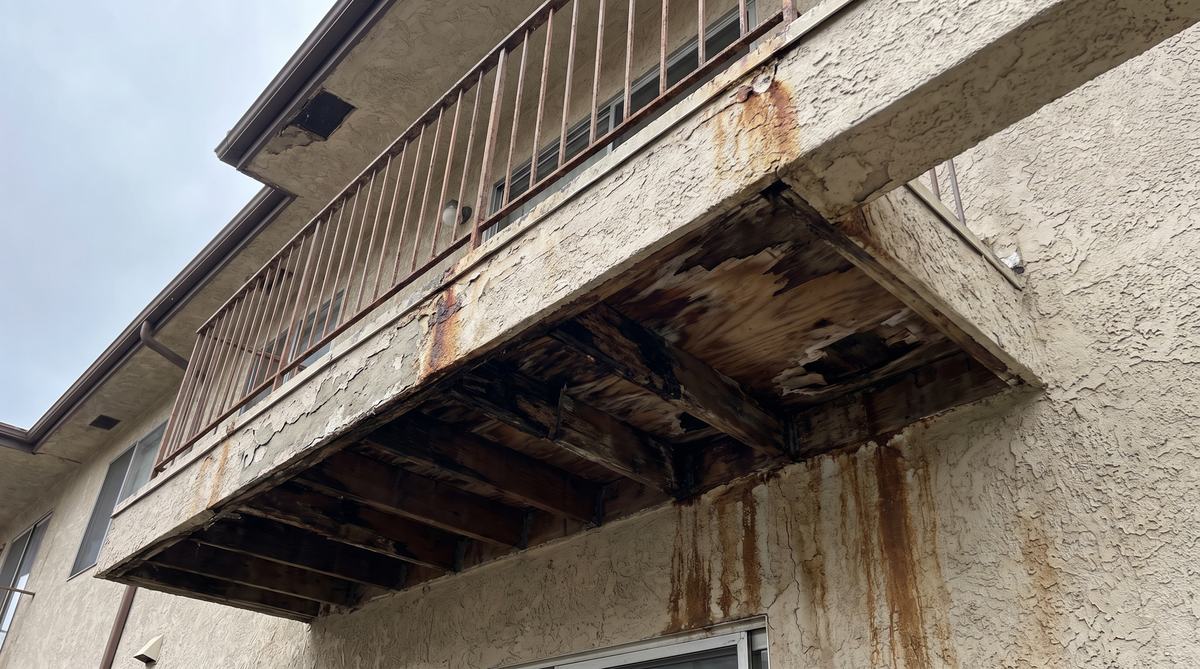
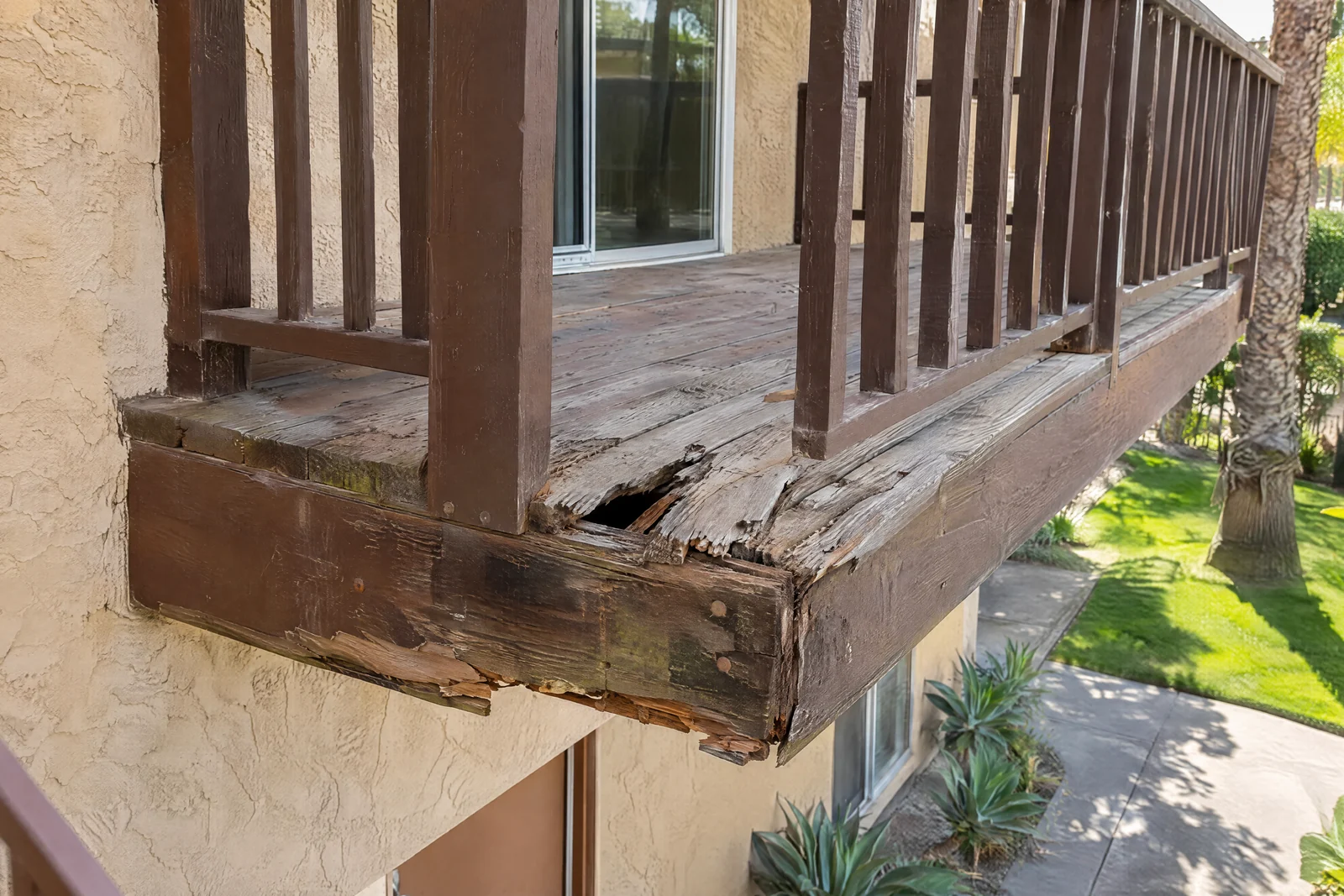
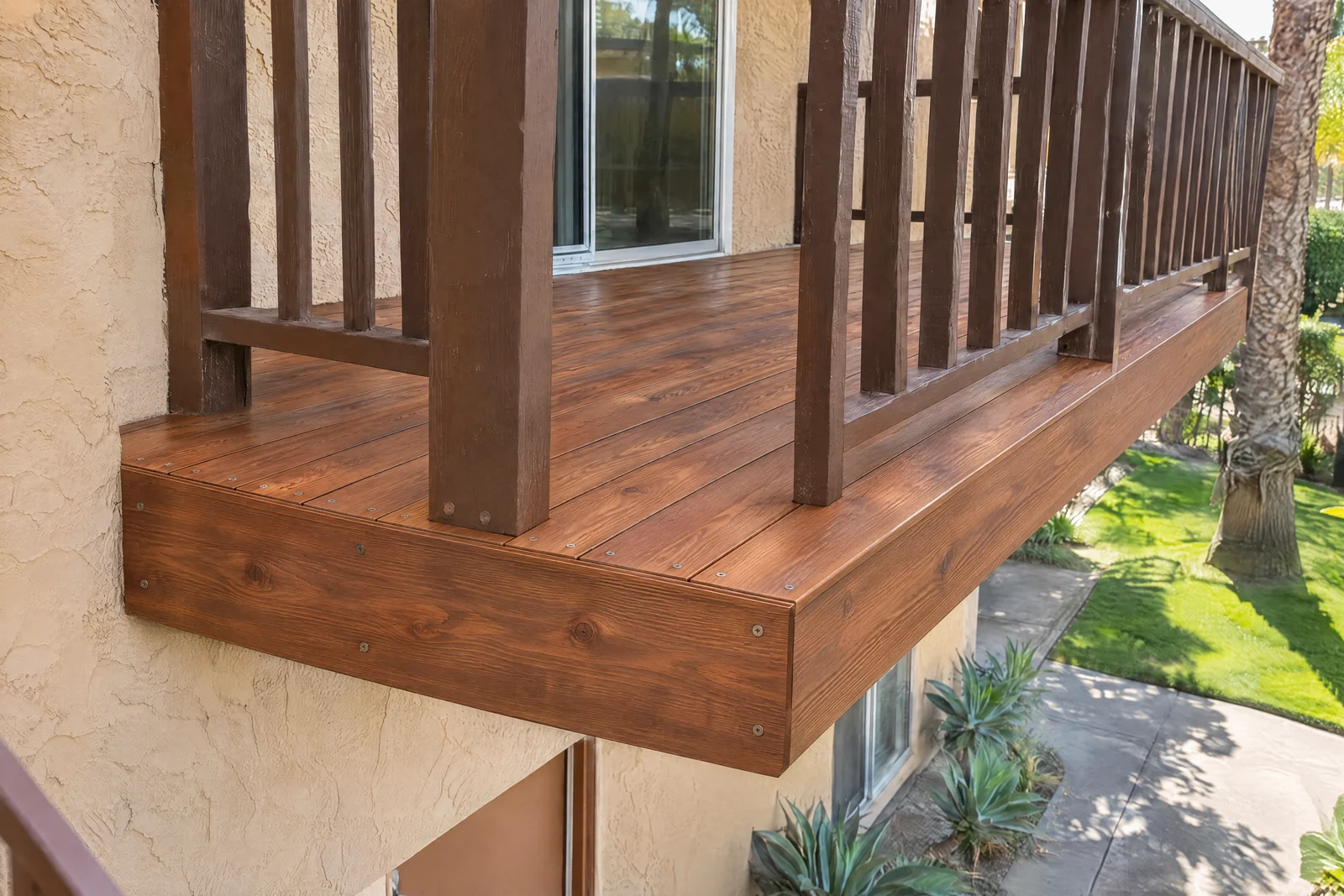
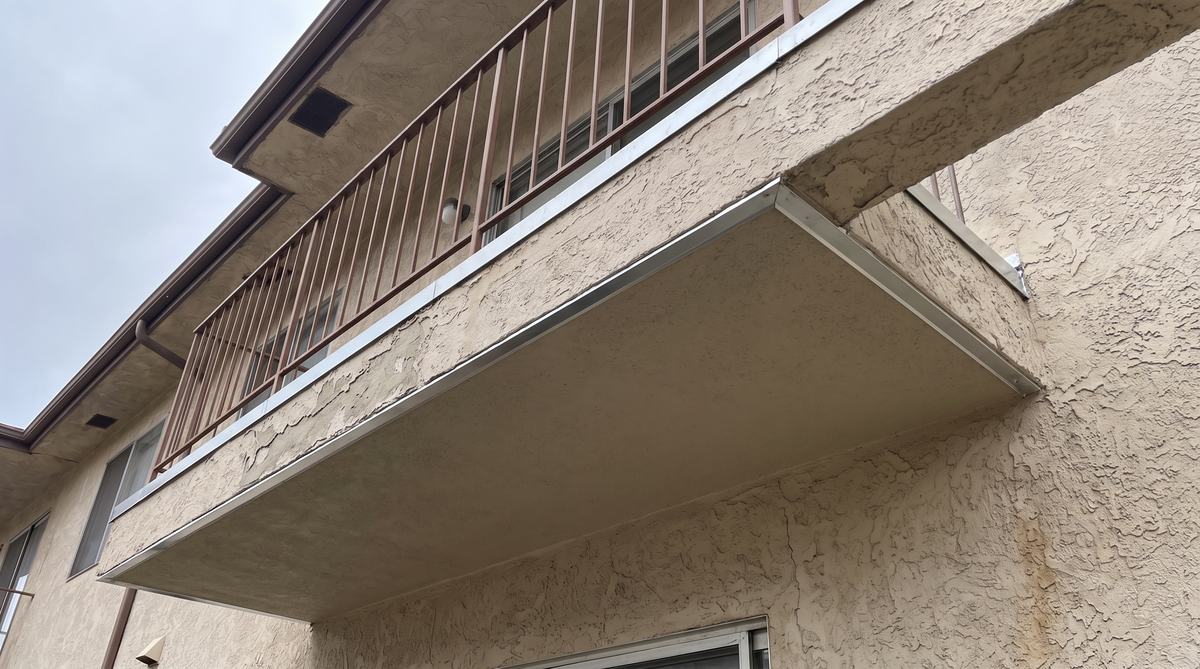 AFTERBEFORE
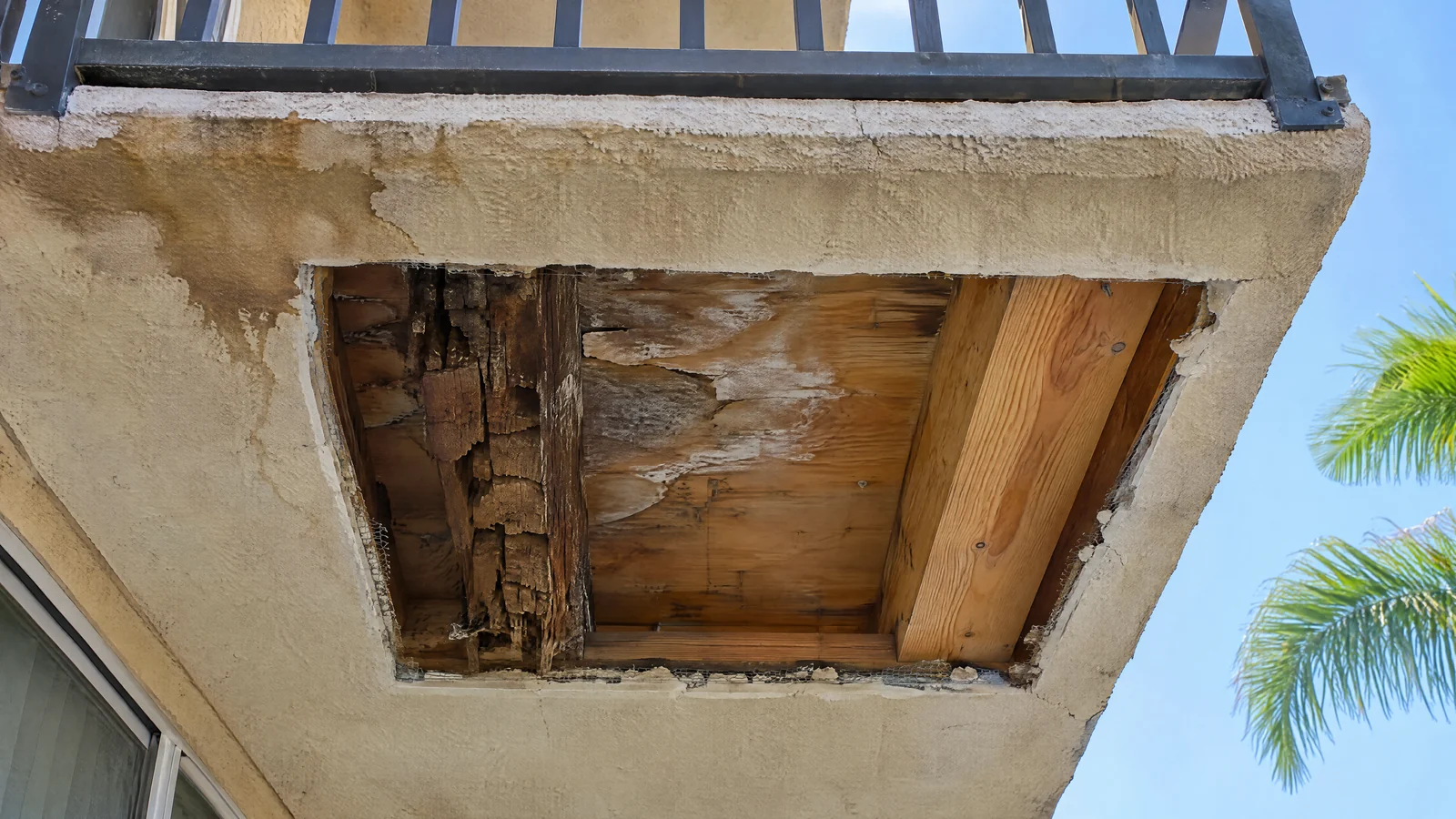 Dry Rot & Framing
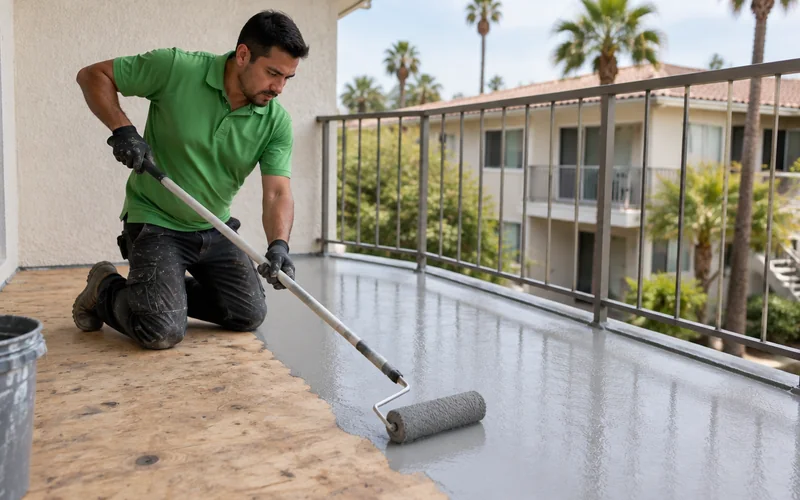 Waterproofing & Coating
 Railings & Guards
 Stairs & Walkways
 Emergency Shoring
 E-OneStop and the Permit Center
 Re-inspection & Close-outNo Report on the Building Yet?
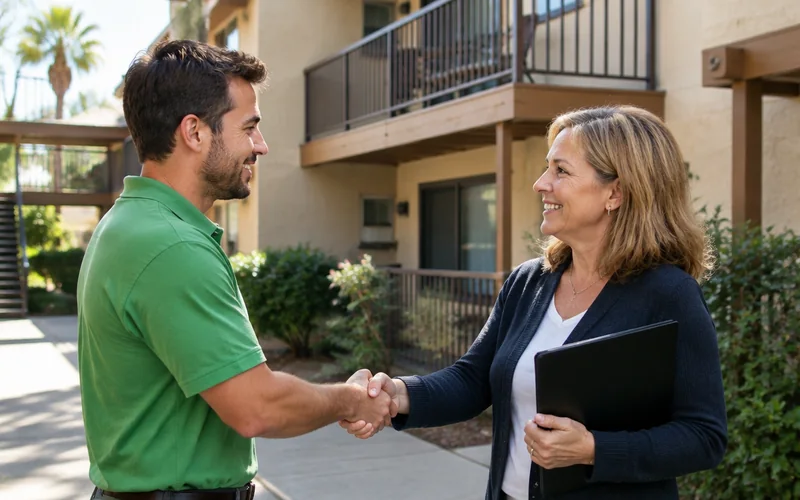
Every line above is a call our Murphy Avenue office has taken. Each finding gets a written scope and a permit filing inside the statute's deadlines, anything tagged an immediate threat is closed and shored before the paperwork moves, and a rental building with no report yet gets the inspection booked with our sister company.

Text or email the SB 721 or SB 326 report with the street address. No report yet on a rental building? Give us the address and a guess at how many balconies, stairs and walkways it carries, and we arrange the inspection with Kaminskiy Design & Remodeling.
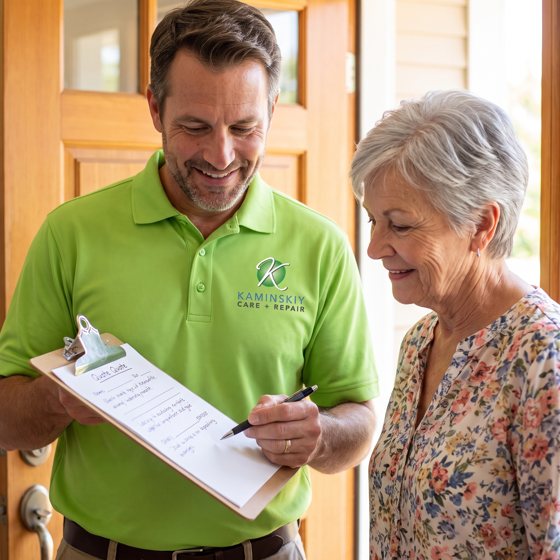
Every finding carries its own written price after a site walk, E-OneStop takes the application inside the 120-day window, and an immediate threat is closed and shored before anything else.
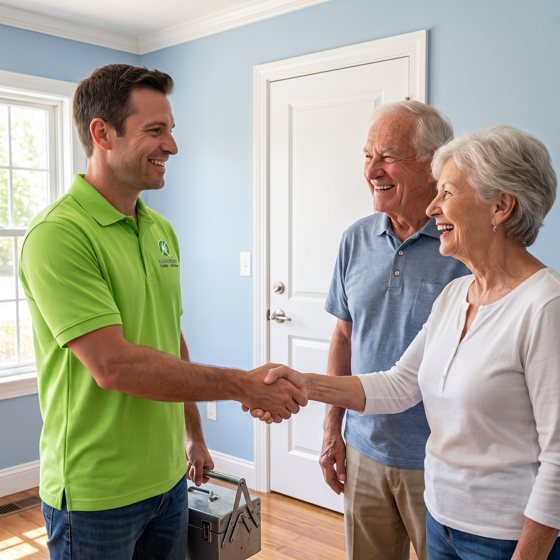
Framing, membranes, stairs and rails rebuilt inside the permit window, each element photographed, the City inspector finals the work, and the closing report goes in your file.
Every job is backed in writing by our workmanship warranty and done by a Kaminskiy-certified, background checked technician.
A Sunnyvale report tends to name the same places: elevated moisture at the ledger behind the stucco, deterioration at the joist ends, a stringer foot soft where it meets the landing, a membrane checked by the valley sun, a scupper that holds water on a second-floor walkway. Each line is a repair we price line by line, and the service-life column sets the order, with the one- and two-year elements rebuilt first. On an association the engineer's numbering becomes our scope numbering, so the board reads the two documents side by side.
Rental buildings of three or more units answer to SB 721, Health and Safety Code 17973: first inspection by January 1, 2026, then six-year cycles. Condominium projects of three or more units answer to SB 326, Civil Code 5551, and in Sunnyvale that is the townhome and condominium associations along Reed Avenue, Evelyn Terrace and the north side: first inspection by January 1, 2025, then nine-year cycles, by a licensed structural or civil engineer or an architect and no one else. Own a fourplex and sit on a condo board, and both calendars are yours.
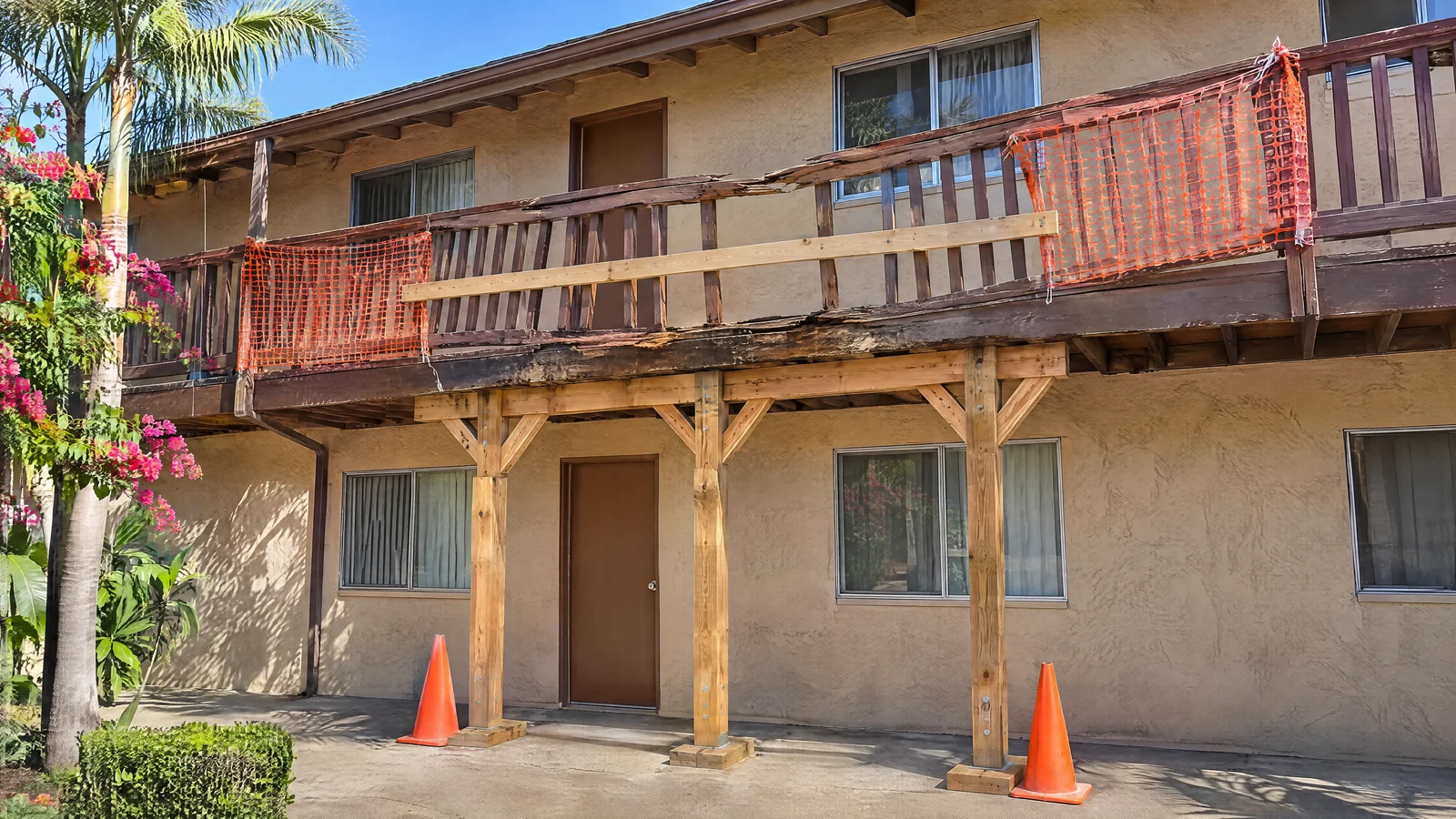
If the inspector calls an element an immediate threat, tenants are kept off it that day, it is shored where it needs to be, and the Building Safety Division hears about it within 15 days. Every other finding gets two 120-day windows, one to apply for the permit, one from the permit to finish the work. Let the repairs sit 180 days past the report and the inspector has to tell the City; a 30-day notice follows, and then the daily civil penalty.
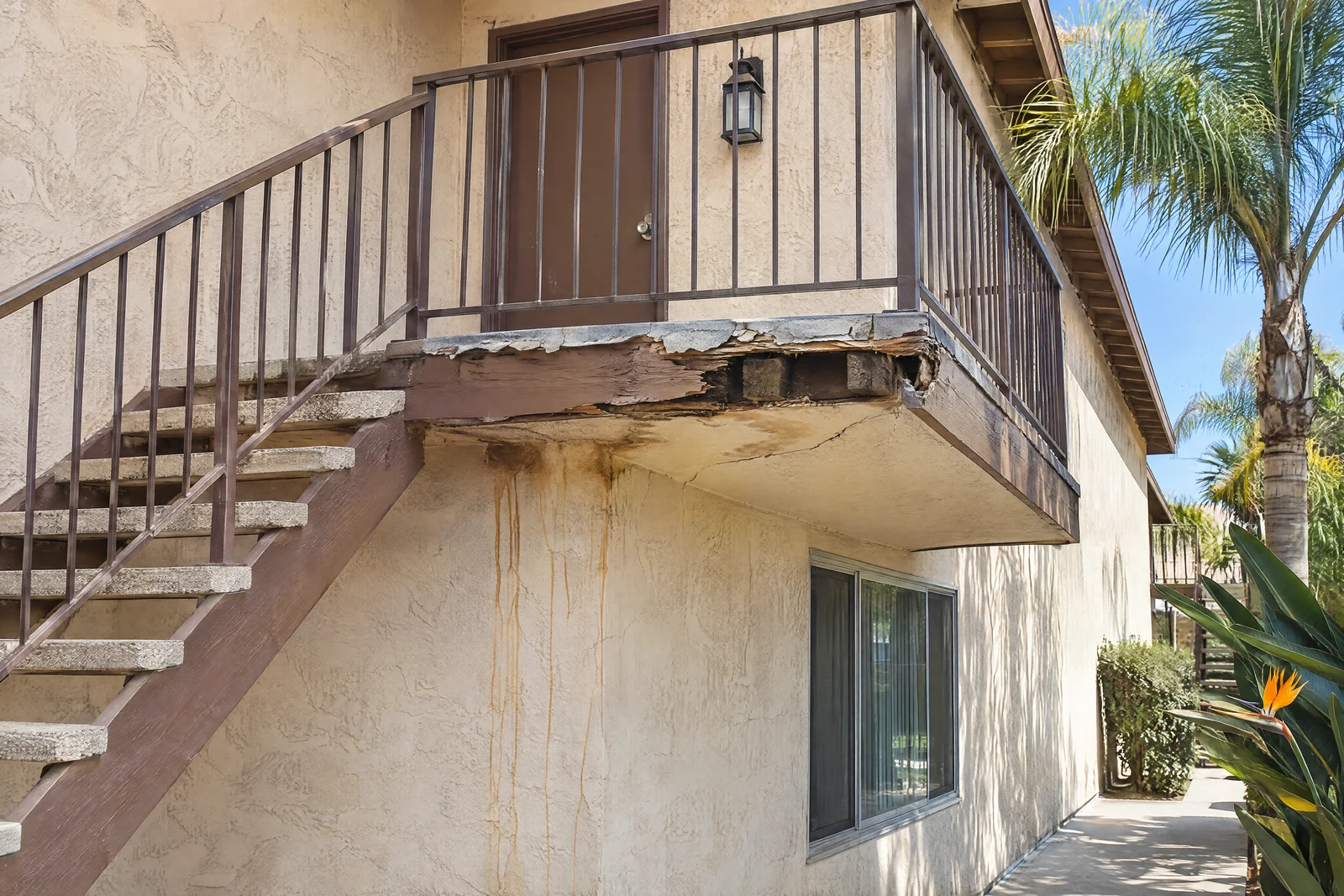
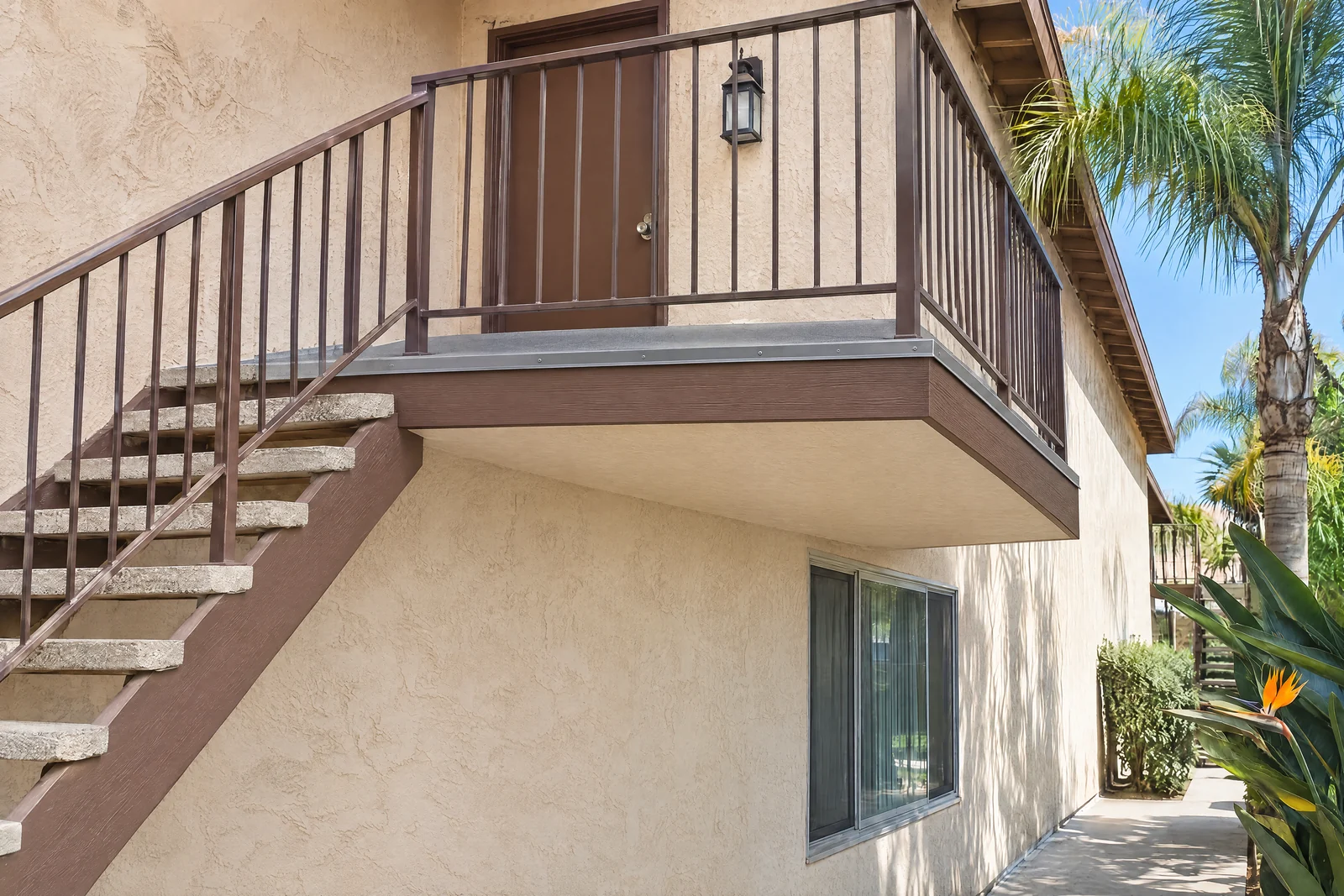
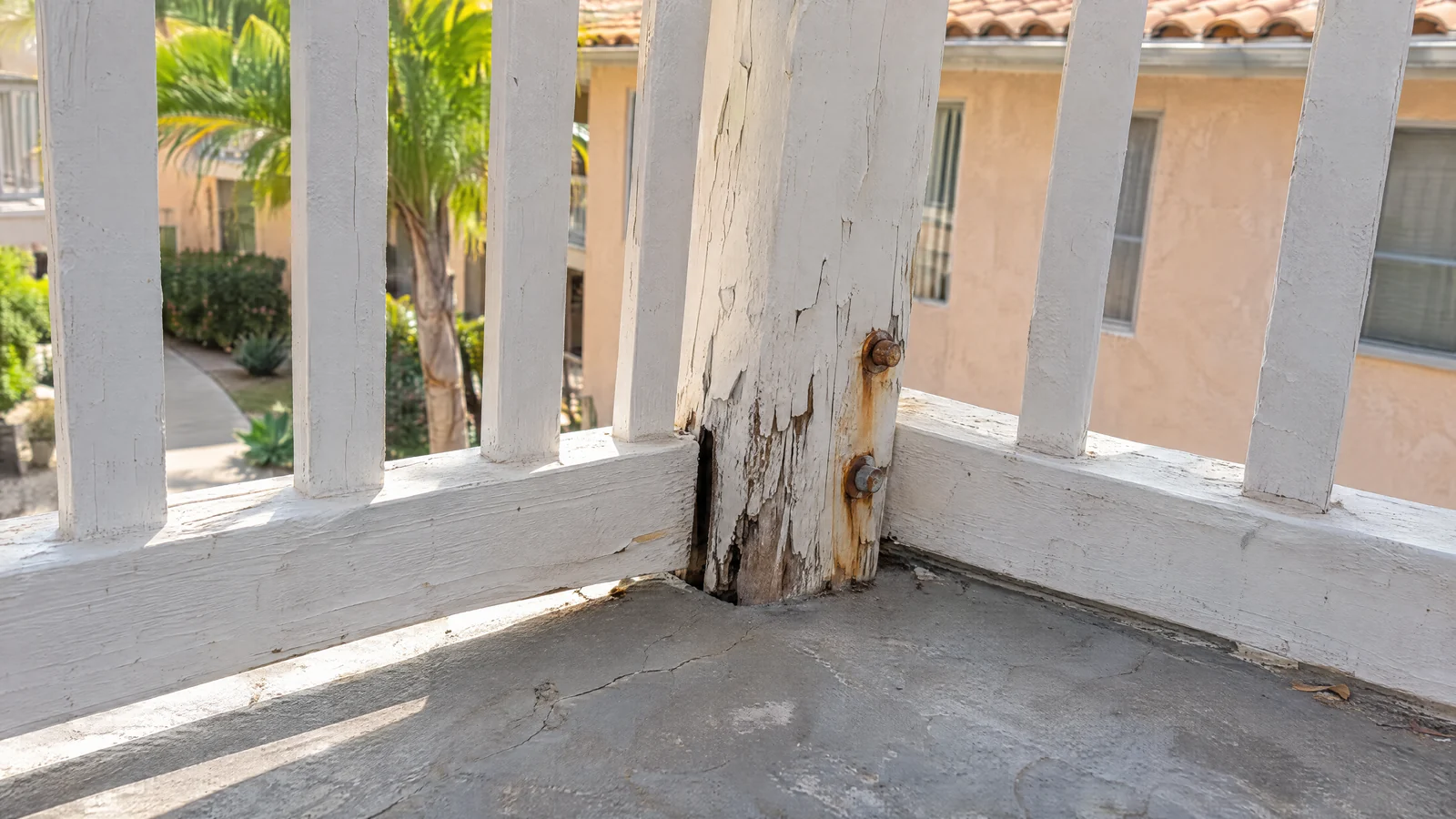
A joist end, a stringer foot or a post base with rot in it is cut back to clean wood, sistered or replaced, and flashed. A ledger rotted along its length, or most of the joists gone, means the balcony comes down and goes back up on new framing. The waterproofing is always redone across the whole deck, because a patched membrane on a west-facing Sunnyvale balcony is the leak the inspector finds six years from now.
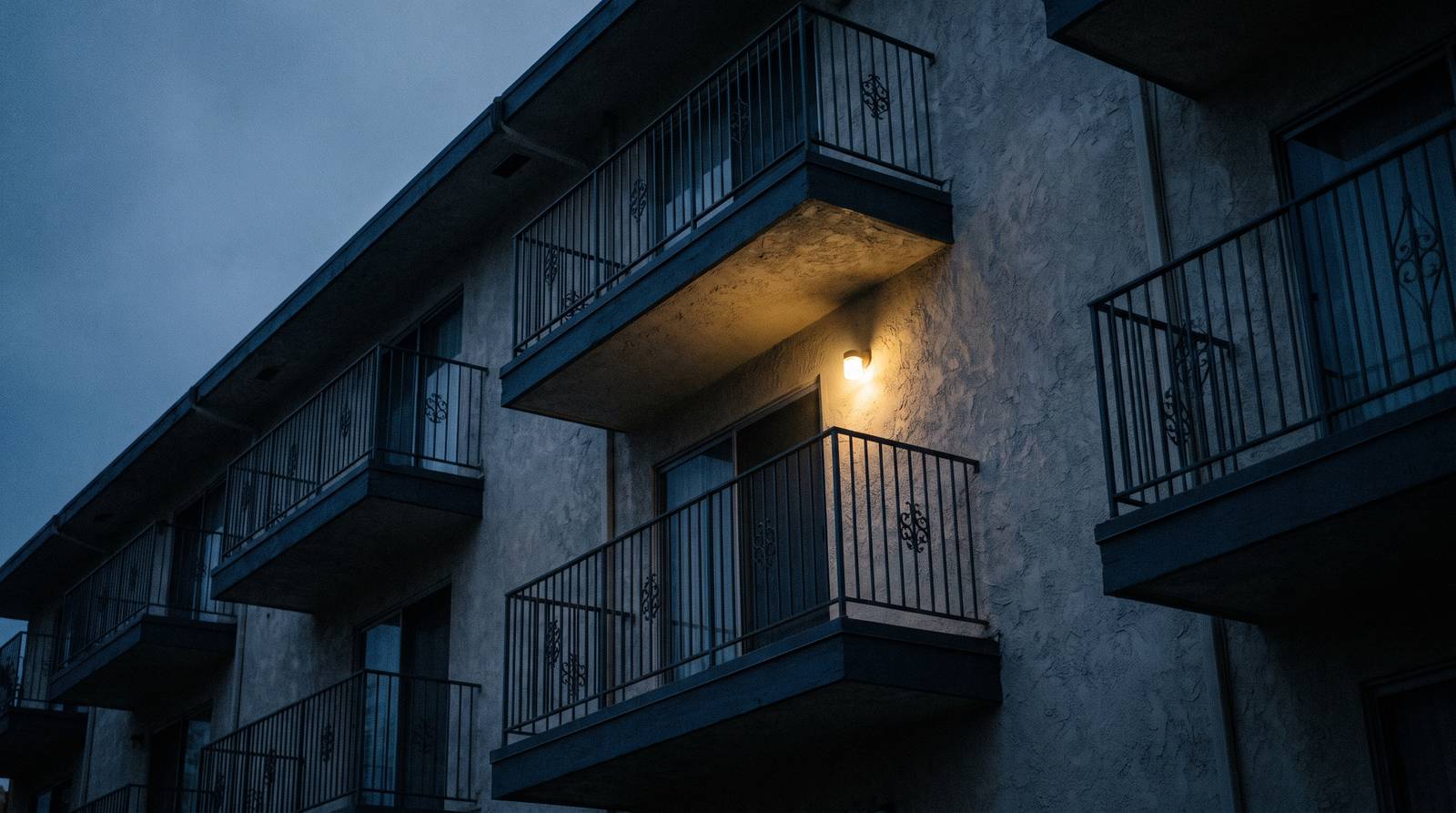
More than half of Sunnyvale's sixty-one thousand homes are rented, and most of the apartments that hold them are two- and three-story wood-frame garden buildings from the 1960s through the 1980s along the El Camino Real, Fair Oaks, Mary Avenue and Wolfe Road corridors, with condominium associations on the north side and new podium buildings around the Caltrain station and at Lawrence Station. The corridor decides what the report finds and what the repair looks like.
Two-story stucco garden complexes built from the early 1960s into the 1970s around courtyards, pools and carports, with open wood stairs and second-floor walkways serving every unit and small balconies off the living rooms. These buildings have the most elements to count in the city and the most feet on them. The courtyard sprinklers keep the stringer feet and the walkway post bases wet all year, the summer sun on the south and west faces checks the deck coating, the November rain follows the checks into the ledger, and the adobe clay under the footings heaves a post out of plumb between a wet winter and a dry August. The common findings are stringers soft at the landing, walkway coating worn to the plywood at the unit doors, and rot at the balcony joist ends behind stucco that looks fine from the pool.
The 1970s and 1980s condominium and townhome associations, many built as two-story clusters with wood balconies, private stairs and raised entry walks under redwoods and mature street trees that keep the north faces damp into spring. A condominium project here is under SB 326, so the association's engineer or architect does the inspection on the nine-year cycle; the board brings us the report and we rebuild the rotted post bases, the stair treads and the balcony framing it lists, phased so residents keep their doors. A rental building being converted to condominiums is inspected before the first close of escrow, and on the small lots a fourplex is inside SB 721 while a duplex is outside it.
The newest stock sits around the Caltrain station and at Lawrence Station: wood-framed floors over concrete podiums with balconies on liquid-applied membranes, leased to a workforce that moves every two or three years with the campuses on Wolfe Road and in Moffett Park. The framing is young, so the failures are at the details, a threshold flashed short, a sealant joint opened by the sun, a deck drain that ponds against the stucco, and a building whose permit was issued on or after January 1, 2019 is inspected within six years of its certificate of occupancy rather than by the 2026 date. A concrete high-rise is outside the law's wood test. The same office covers the garden apartments of Mountain View and Santa Clara, the Cupertino buildings whose Building Division publishes its own notice on the law, and the San Jose stock under that city's exterior elevated elements program, each at its own permit counter and on the same state clock.
Count the rental units under one roof: three or more and SB 721 applies, with the first inspection due by January 1, 2026 and the next every six years. A condominium project of three or more units, the associations on Reed Avenue, Evelyn Terrace and the north side among them, sits under SB 326 instead: due by January 1, 2025, then every nine years, with a licensed structural or civil engineer or an architect doing the inspecting. A duplex escapes both laws and rots on the same schedule. Not sure what you own? The address tells us on the call.
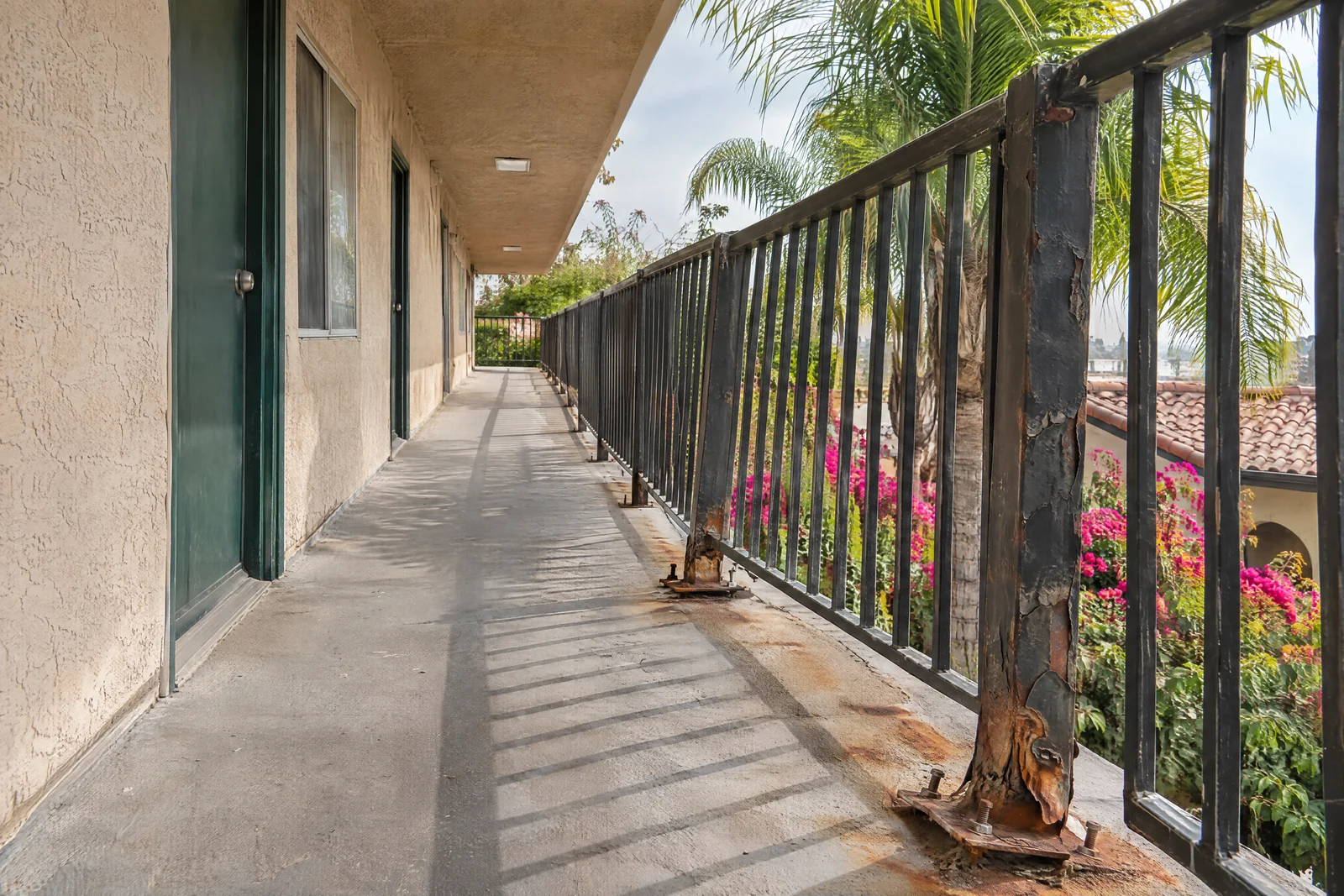
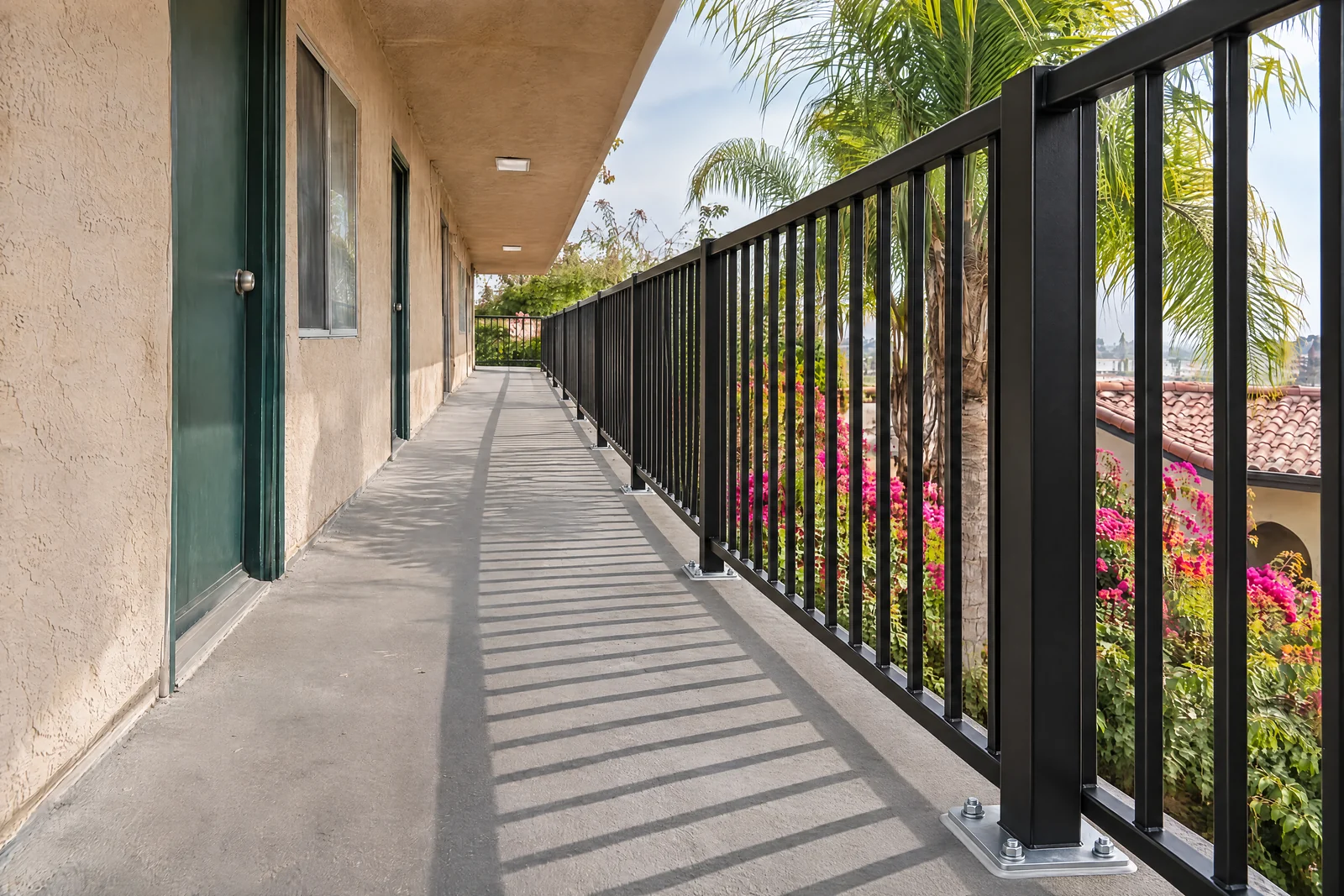
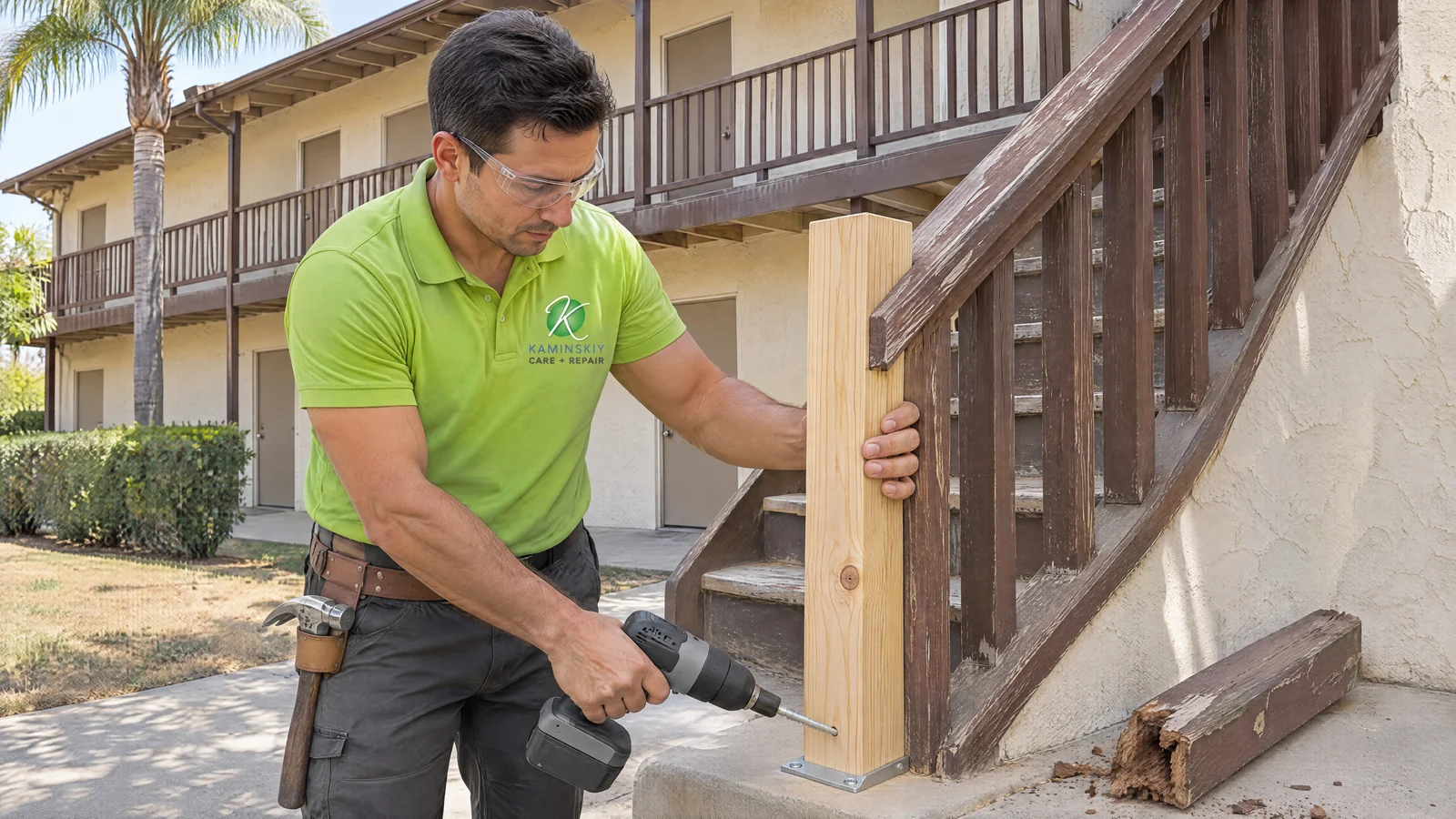
Each finding is opened first: the soffit comes off, the rot is cut back to clean wood, and the joist end, ledger or stringer foot is sistered or replaced in treated lumber with new hangers and flashing at the wall. The coating comes off the whole deck or walkway, the substrate dries, and a new membrane goes on with flashing and a drip edge and the slope corrected so November rain runs off instead of in; a patch is the next leak. Rails that rocked, sat low or bolted into rotten wood are re-set into the new framing or replaced, their post bases flashed. Every element is numbered and photographed before, during and after, and the photographs become the closing report.
Health and Safety Code 17973 demands a qualified, licensed contractor doing the repairs to the inspector's recommendations and the building code; in Sunnyvale that is Kaminskiy Care and Repair (CSLB #1106209), working from any licensed inspector's or engineer's report. The inspection itself is open to four kinds of professional: a licensed architect; a licensed civil or structural engineer; a general contractor with an A, B or C-5 license held at least five years with multistory wood-frame experience; or a certified building inspector or building official, none of them on the City's payroll for the job. Our sister company Kaminskiy Design & Remodeling, a B general building contractor since 2008 (CSLB #922807), is the inspecting contractor for SB 721, under its own contract with you.
Repairs are priced from the report, one written line per finding, and the owner or the board approves every line before a date goes on the calendar; the number does not grow once we are on the building, and the report is yours to show another contractor. The SB 721 inspection, when a rental building still needs one, is one flat number from Kaminskiy Design & Remodeling, set once we know how many elements there are, how many kinds, and whether the framing is open to view or buried in stucco; a twelve-unit court on Mary Avenue and a two-hundred-unit garden complex on Wolfe Road do not cost the same.
Which law, how many findings, which ones carry a short service life: read from the report and the street view, with the site walk booked before hanging up. No report yet on a rental building? We arrange the inspection with our sister company and start here once it is signed.
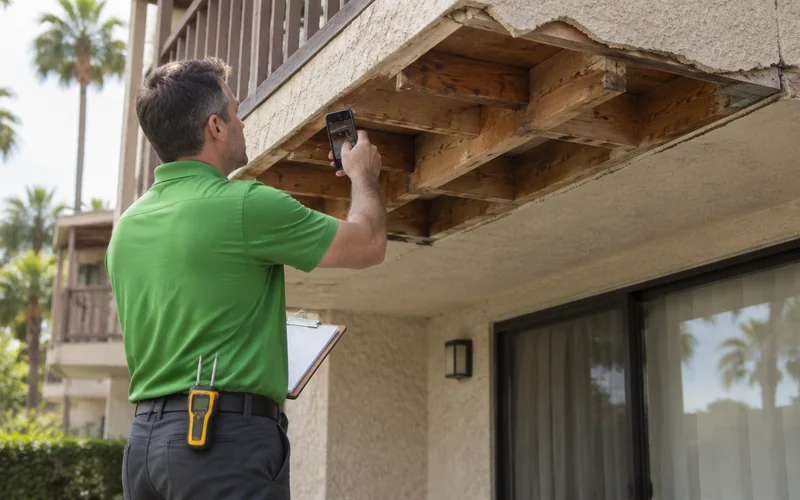
Notices go to tenants, each finding is checked from the deck and from beneath, framing behind stucco is metered or opened, and the scope is written line by line against the report's numbering.
The application inside 120 days: an over-the-counter plan-check appointment for like-for-like work, full plan check and Planning review for a rebuilt cantilever or a changed guardrail, and shoring first wherever an element is an immediate threat.
The work inside the permit window, each element photographed, the City inspector's final on the permit, and the closing report for your file, the next cycle and the next escrow.
Subdivision (a) of Health and Safety Code 17973 lists the people allowed to inspect: a licensed architect, a licensed civil or structural engineer, a general contractor holding an A, B or C-5 license for five years with multistory wood-frame experience, or a certified building inspector. Subdivision (g) covers the repairs and asks for a qualified, licensed contractor working to the inspector's recommendations, the Building Standards Code and Sunnyvale's rules; it says nothing against the inspecting company's group doing that work. The statute wants the owner to hire the inspecting company directly, so in Sunnyvale you contract the inspection with Kaminskiy Design & Remodeling, booked through our Murphy Avenue office, and the repairs on a separate contract with Kaminskiy Care and Repair. Take the report to another contractor if you like; it was written to stand alone.
The local enforcement agency is the City of Sunnyvale's Community Development Department, Building Safety Division, at the One-Stop Permit Center on the second floor of City Hall, 456 West Olive Avenue, with applications filed through the City's E-OneStop online services. Sunnyvale's own sheet of work that needs no building permit stops at cosmetic work, and the state code's ordinary-repair exemption ends at a structural beam or a load-bearing support, so a balcony, stair or walkway repair that touches a ledger, a joist, a stringer or a guardrail takes a building permit. A like-for-like repair that leaves the exterior as it was is the simple scope the Permit Center reviews at an over-the-counter plan-check appointment; a rebuilt cantilever, a changed guardrail or anything that alters the face of a multifamily building goes through full plan check and Planning Division review. Work filed now is built to the 2025 California Building Code. Sunnyvale, unlike Cupertino and San Jose next door, publishes no SB 721 page or form of its own: the report lives in your records, and only an element tagged an immediate threat goes to the Building Safety Division, within 15 days.
January 1, 2026 was the first deadline; AB 2579 pushed it there from January 1, 2025, and from here the cycle is six years, except that a building permitted on or after January 1, 2019 is inspected within six years of its certificate of occupancy. A report with findings starts two clocks: 120 days to apply for the permit, 120 days from the permit to finish. Repairs still open 180 days after the report bring a notice from the inspector to the City and a 30-day notice to the owner, and after that the owner owes a civil penalty of one hundred to five hundred dollars per day until the work is done, with a building safety lien available to the City to collect it. Two cycles of reports stay in the file and go to the buyer when the building sells.
Downtown, on Murphy Avenue. The repair crew starts its day at 100 South Murphy Avenue, a few minutes from any apartment corridor in Sunnyvale, so a report with findings gets its site walk fast and a board has its scope the week the engineer's report lands. Call 408-916-4022, text a photo of the report or the balcony, or send the form.
Can't find your answer? Call 408-916-4022 and ask us anything.
Call 408-916-4022Send it to us with the address. We walk the building against the findings, price each one on its own line, and file the permit through E-OneStop inside the 120 days the statute allows; the repairs then run inside 120 days of the permit, an immediate threat is closed and shored first, and the closing report with a photograph of every element goes in your file for the re-inspection and the next escrow.
Yes, and on the association side we always do, since an SB 326 report can only come from a licensed structural or civil engineer or an architect. The statute wants a qualified, licensed contractor making the repairs to the inspector's recommendations; it does not tie you to whoever wrote the report. Our scope follows the report's own numbering.
One written line per finding, from the report, approved by the owner or the board before a date goes on the calendar; a joist end and a membrane patch on one balcony is a short line, a balcony rebuilt from the ledger out with a new guardrail is a longer one. Call 408-916-4022 with the report and the address and the written scope follows the site walk.
Our sister company does: Kaminskiy Design & Remodeling, a B general building contractor since 2008 (CSLB #922807), sorts the elements by kind, checks no less than 15 percent of each and signs the report with photographs inside 45 days, under its own contract with you, as the statute requires. Kaminskiy Care and Repair (CSLB #1106209) then prices and completes the repairs. Book it through the Murphy Avenue office at 408-916-4022.
In our case two companies in one group: Kaminskiy Design & Remodeling holds the inspection contract and signs the report, and Kaminskiy Care and Repair holds a separate contract for the repairs. Nothing in the statute stops that; what it demands is a qualified, licensed contractor doing the work to the inspector's recommendations and the building code. Every finding in the report comes with photographs and a baseline narrative, so you are free to bid the repairs out, and the report means the same thing in another contractor's hands.
Book now and keep the booking confirmation. The statute's daily penalty is aimed at repairs left undone after a report, not at a late first inspection, and the Building Safety Division gains nothing by chasing an owner who is already moving. Should the inspection find an immediate threat, that element is closed and shored on the visit and reported to the City within 15 days; the rest of the findings run on the ordinary 120-day permit clock.
For a condominium project, yes: the association carries the SB 326 inspection and, under most CC&Rs, the repair of the load-bearing framing and waterproofing it maintains, with exclusive-use balconies divided however the governing documents say. The inspection itself is the licensed structural or civil engineer's or the architect's; we take the report from the board, price the repairs, do them in phases so residents keep their stairs and front doors, and document everything for the reserve study.
An inspection California requires on rental buildings with three or more units, of what the statute calls exterior elevated elements: the balconies, decks, porches, stairways, walkways and entry structures that stand more than six feet above the ground and lean on wood for support, railings and waterproofing included. The inspector sorts the elements by kind, examines at least 15 percent of each kind, and hands the owner a signed report with photographs within 45 days. The first inspection was due January 1, 2026; the next is six years later.
Give us the address and the report if the building has one; if a rental building has none yet, say so and we arrange the inspection. We come back with a scope and a date. Calling is quicker: 408-916-4022.
Every repair on the report, filed on E-OneStop and finaled by the City, from one Sunnyvale crew on Murphy Avenue. No report yet? Our sister company performs the inspection.
We answer in under three rings, 24/7.No price games. You get a clear written quote before any work begins, backed by our workmanship warranty.